Mongolia Summer Festivals – A Journey into Nomadic Culture
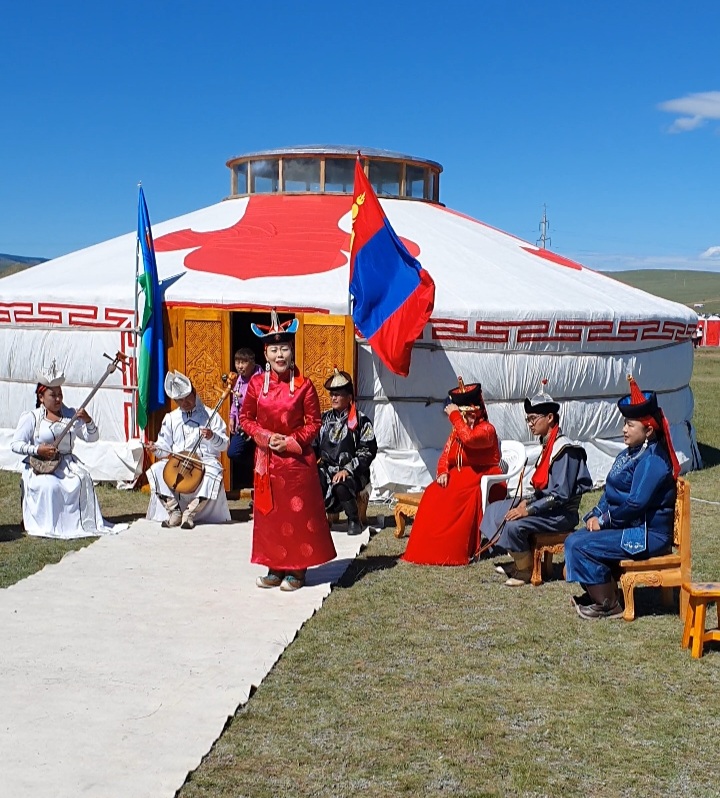 Mongolia’s summer festivals represent the very heart of the country’s cultural identity and are one of the main reasons travelers choose to visit Mongolia during the warmer months. From June to August, the vast Mongolian steppe transforms into a living cultural landscape where ancient traditions, nomadic lifestyle, and modern celebrations come together naturally. Summer is not only the most comfortable season for travel in Mongolia, but also the time when the nation openly shares its heritage through festivals that have been preserved for centuries.
The National Naadam Festival: Mongolia’s Iconic Celebration
The most significant summer celebration in Mongolia is the National Naadam Festival, held every year from July 11 to 13. Naadam is more than a festival; it is a symbol of national pride and independence. During this time, cities and rural areas alike are filled with festive energy as people gather to celebrate history, strength, and unity. The festival features traditional sports that reflect the skills essential to nomadic life. Mongolian wrestling demonstrates physical strength, discipline, and respect, while horse racing across open grasslands highlights the deep connection between Mongolians and their horses. Archery, practiced by both men and women, showcases patience, focus, and techniques passed down through generations. For travelers, Naadam offers a powerful and emotional introduction to Mongolian culture in its most authentic form.
Local Festivals: Authentic Experiences Beyond the Capital
 While the capital city hosts the largest Naadam events, local festivals held in provinces and rural communities provide an even deeper cultural experience. In these areas, celebrations are closely tied to daily nomadic life. Visitors may witness families gathering, traditional foods being prepared, and community members participating in sports and performances that are part of their everyday heritage rather than staged attractions. Travelers are often welcomed warmly, making local summer festivals an ideal way to experience genuine Mongolian hospitality and cultural exchange.
Deeltei Mongolia Festival: The Art of Traditional Clothing
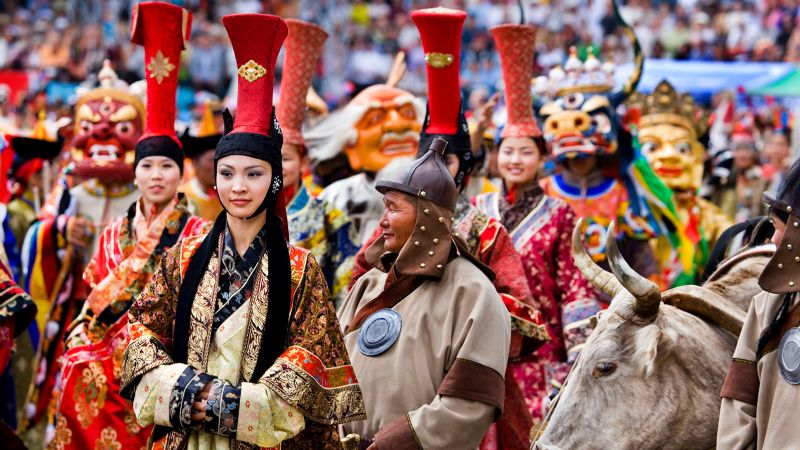 Another important summer event is the Deeltei Mongolia Festival, which celebrates the traditional Mongolian garment known as the deel. This festival reflects how traditional clothing continues to play a vital role in modern Mongolian identity. During the event, streets and public spaces are filled with people wearing colorful and uniquely designed deels, ranging from historical styles to contemporary interpretations. For travelers, this festival offers insight into the symbolism, craftsmanship, and cultural meaning behind Mongolian clothing, as well as excellent opportunities for cultural photography.
Traditional Sports and Cultural Events Across Mongolia
 Throughout the summer, various traditional sports and cultural festivals also take place across Mongolia. Events such as mounted archery competitions and eagle festivals, particularly in western regions of the country, showcase ancient hunting techniques and warrior skills that are still practiced today. These festivals are deeply connected to the natural environment and demonstrate how Mongolian culture has evolved in harmony with the land, animals, and seasonal rhythms.
Modern Summer Festivals in Ulaanbaatar
In addition to traditional celebrations, modern summer festivals have become increasingly popular, especially in Ulaanbaatar. Music, art, and food festivals bring together local and international artists, creating a dynamic blend of traditional heritage and contemporary culture. These events reflect the modern side of Mongolia and appeal to younger travelers while still complementing the country’s historical traditions.
Why Summer Festivals Are Essential for Travelers
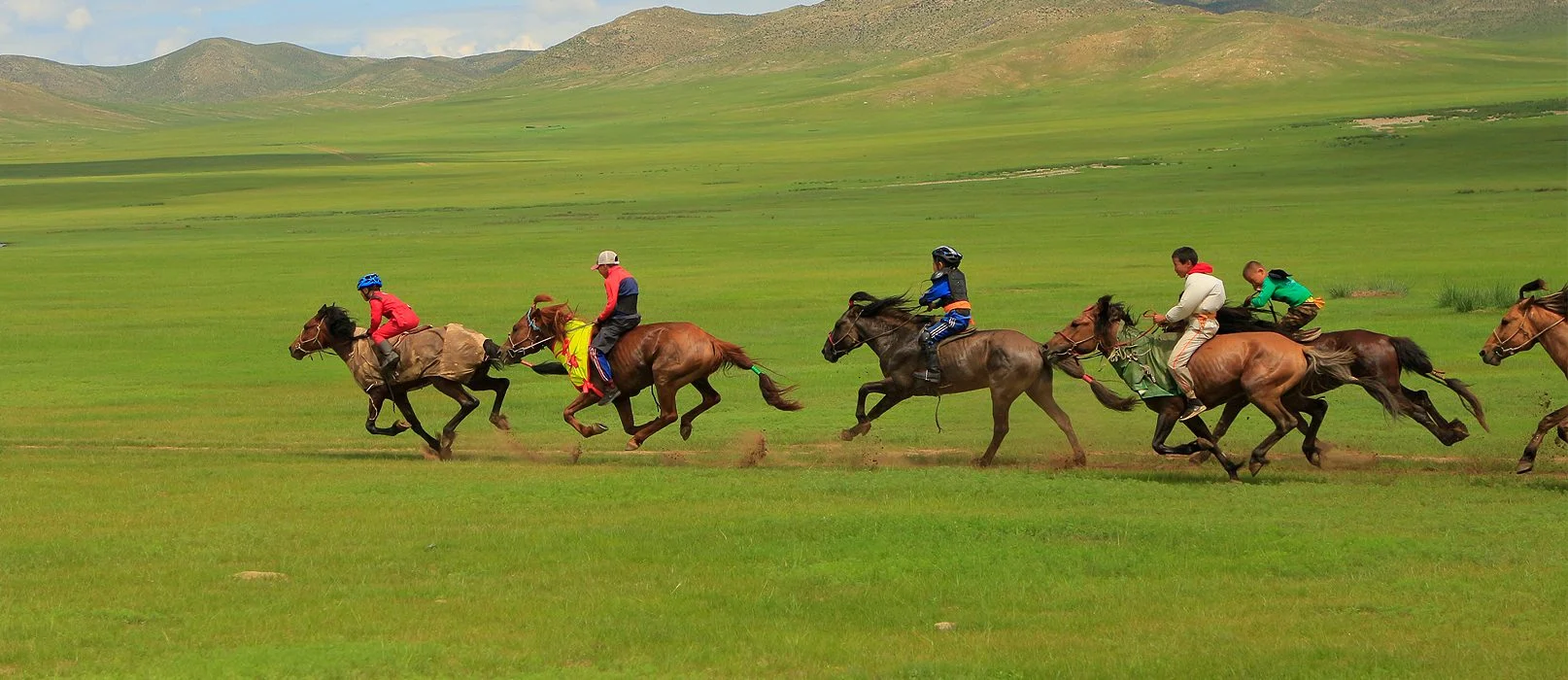 Overall, Mongolia’s summer festivals offer travelers a rare opportunity to experience a living culture shaped by history, nature, and nomadic values. Rather than observing from a distance, visitors become part of celebrations that are meaningful to local communities. Attending summer festivals allows travelers to understand Mongolia beyond its landscapes, gaining insight into the traditions, resilience, and spirit of the Mongolian people. For anyone planning a journey to Mongolia, summer festivals are an essential and unforgettable part of the travel experience.